





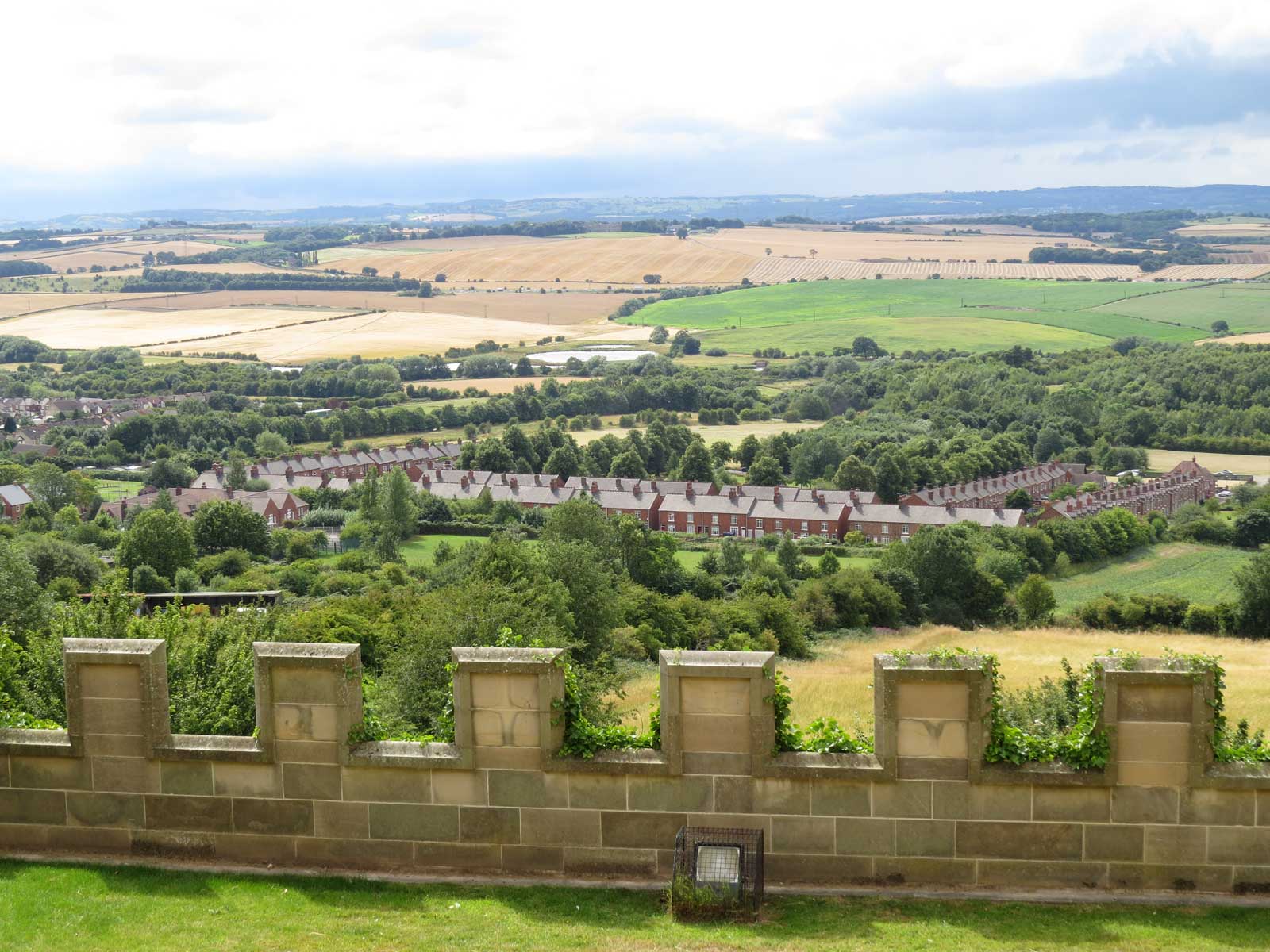
This project is the first major regeneration scheme of Grade 2 listed houses to be given funding by the Heritage Lottery Fund. Their grant is for the restoration of the architectural uniformity and increasing the understanding of energy efficiency in historic buildings by improving thermal efficiency. This funding is for the private owners, and Bolsover District Council are funding both the architectural uniformity works and the refurbishment of their properties. The Bolsover Colliery Company built the ‘model’ in the 1890’s, exemplary in its provision of housing, schools, community centre, shop, church, orphanage and recreational facilities. Ownership later passed to the National Coal Board and then Bolsover District Council. The colliery closed in the 1990’s, and the original purpose of the village ceased. The project, led by BDC and part funded by the HLF, involves the restoration of the hundred and ninety-four listed houses (designed in the manner of the early garden cities movement) to provide a revitalised, sustainable community for both the council owned properties and the privately owned ones (approximately 30%).

A Liverpool city centre refurbishment for an international hotelier group.

Community planning events in eleven neighbourhoods were 'fast-tracked' to drive a large scale regeneration strategy. One of the largest committee visioning programmes ever undertaken in the UK.

A major estate regeneration project tackled a problematic inter-war housing estate generating over seven hundred new mixed tenure housing units in seven phases. Working closely with the local community and a development partnership HLP prepared a masterplan and urban design code which controlled the development based on Home Zone principles to produce a pioneering multi-award winning and very popular place to live.

Working closely with communities and stakeholders HLP produced a regeneration plan for a large area of Newcastle including over six thousand dwellings, creating a future vision for this part of the city.

An internationally recognised model of a successful community based urban regeneration, winning a World Habitat Award in 2004 as well as many other awards and accolades. The community led scheme rehoused families from inner city slum tenements into individually co-designed houses within a convivial environment conducive to community life with inherent safety and security. The urban village has proved the principles of participatory design through success in action.
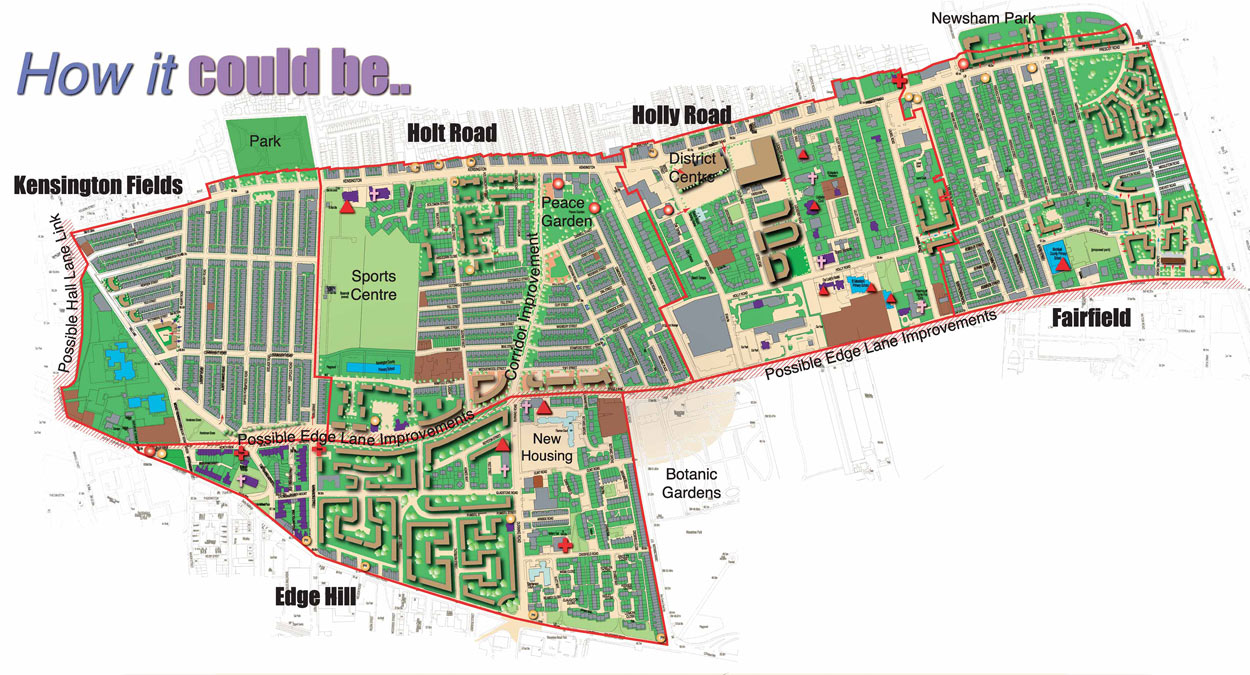
A community-based masterplan for a neighbourhood characterised by housing market failure and urban deprivation. The blueprint provided the catalyst to attract investment in new housing health and education facilities, a conservation area and a new ‘gateway’ into Liverpool.